

Starting solids is one of the biggest milestones of the first year, and many new parents ask the same question: is organic baby food worth it? Organic food usually costs more, so it helps to know what you are actually paying for and what your options are.
1. Fewer additives and simpler ingredients
Organic baby foods are made without synthetic pesticides and usually with short ingredient lists. Many parents prefer them because they want to avoid added sugar, salt and artificial additives in their baby’s first foods. Whatever you choose, reading the label is the most useful habit: look for foods where the ingredient list is short and made of real fruits, vegetables and grains.
2. More variety than you might expect
Choosing organic does not mean limiting your baby’s menu. Organic purees, cereals and snacks now come in a wide range of single fruits and vegetables, mixes and textures, which makes it easy to introduce new flavours one at a time and notice how your baby reacts.
3. You can make it yourself at home
If ready-made organic food is over your budget, homemade purees are a simple alternative. Steam or boil organic vegetables and fruits such as carrots, sweet potato, apple or pear, then blend them to a smooth texture. Make small batches, store them in the fridge for a short time or freeze them in portions, and always check the temperature before feeding.
Tips for a smoother start
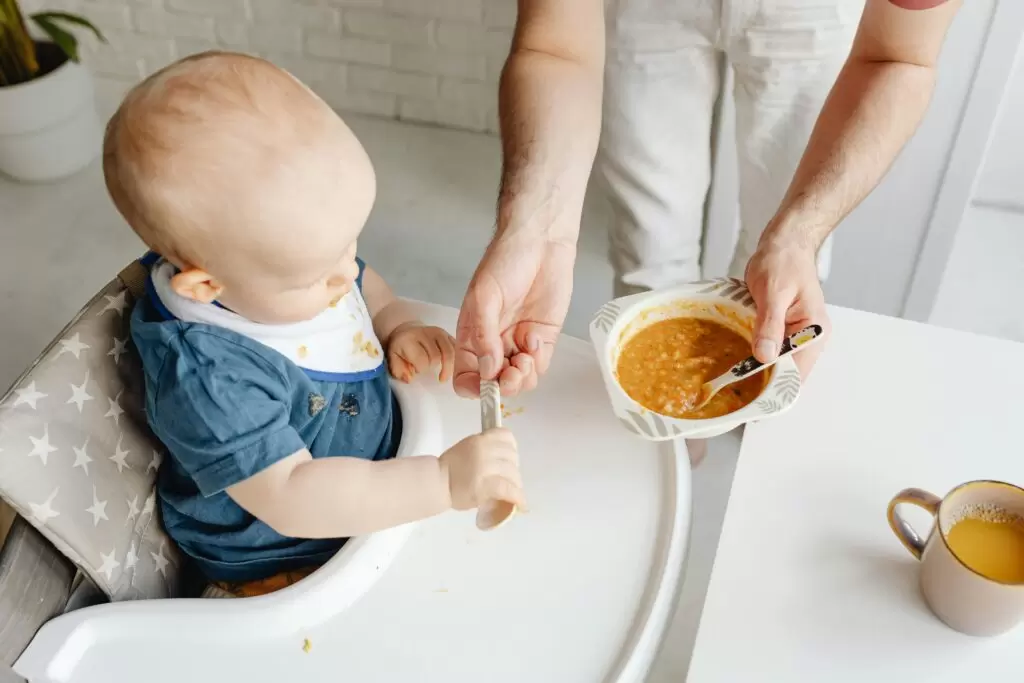
Introduce one new food at a time and wait a few days before the next, so you can spot any reaction. Offer small amounts with a soft spoon, and keep mealtimes calm and relaxed. A squeeze spoon feeder can make purees easier to serve at home or on the go. Always follow your paediatrician’s advice on when and how to start solids.
Organic or not, the goal is the same: simple, fresh food and a happy, curious eater.